
ATTENTION Busy Professionals and Parents
Premium Training & Recovery for North Melbourne Locals Who Want Real, Lasting Results.
Personalised coaching, small-group training and guided recovery designed for busy professionals, parents and healthcare workers who are done putting their health last and ready to take action.
CLICK BELOW TO WATCH FIRST!
What Happens After Your Consultation:
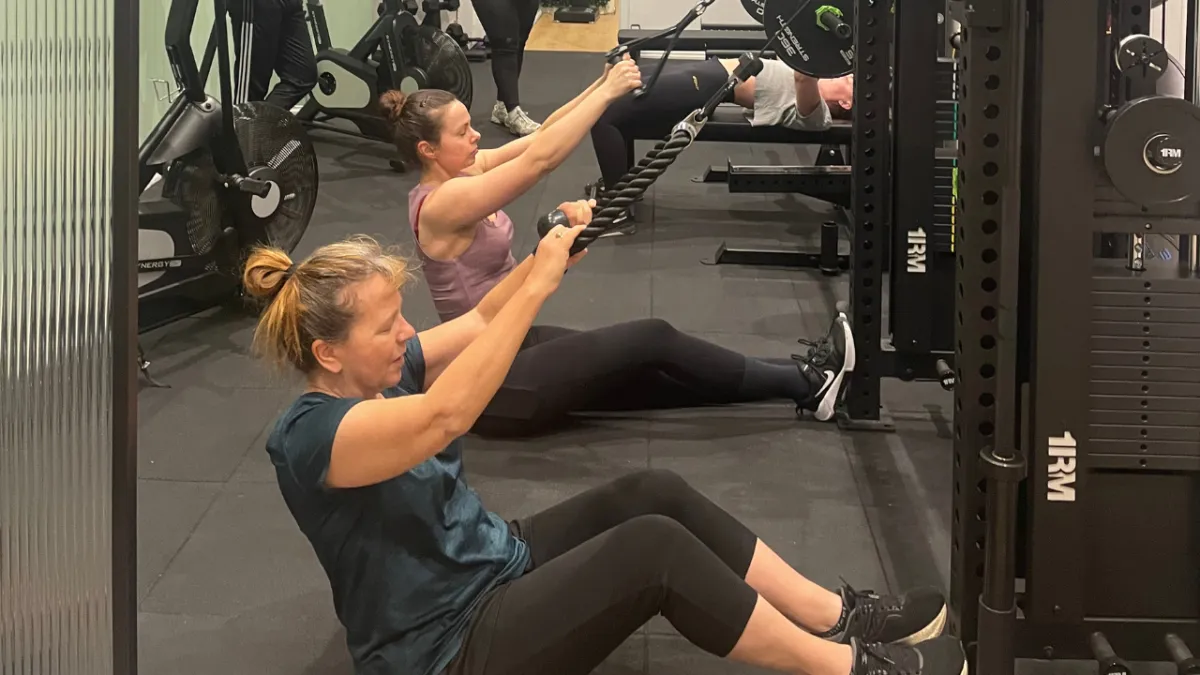
Following your consultation, we take everything we’ve assessed, your goals, current condition, lifestyle demands, and recovery capacity and map out a structured 12-week plan tailored specifically to you.
Depending on your needs, this may involve semi-private coaching for structure and accountability, or 1:1 training where a higher level of precision and flexibility is required. The pathway is always recommended based on what will deliver the best result for you.
It’s important to understand this isn’t a short-term fix. The first 12 weeks lay the foundation. From there, we continue to progress your training, adjust your plan and build on the results you’ve created so they last. The goal is to build a system you can sustain, so your strength, energy, and health continue improving well beyond the initial phase.
Why This Approach Works
Rather than pushing you into a program immediately, we use the consultation to understand what will actually help you stay consistent long-term.
Your training pathway is chosen based on:
- Your available time and recovery capacity
- Your stress levels and lifestyle demands
- Your confidence, experience, and support needs
- This ensures you don’t just start, you stick with it.
Question: Is Sphere Wellness Right For You?
Sphere Is Best For:
Busy Professionals
Busy Parents
Healthcare Workers
Anyone wanting to improve strength & Posture
Avoiding injury & burnout from high-intensity workouts
Pre & Post Natal
Shift Workers
Sphere Isn't For:
Anyone wanting a cheap, no-frills gym
Anyone who won’t commit to consistent weekly training
Seeking quick ‘shreds’ at the cost of
well-being
Avoiding injury & burnout from high-intensity workouts
Anyone who doesn't gel well with inclusive environments
Body builders or extreme fads
Hear To What Our Members Have To Say
I cannot speak highly enough of this team - having been a client of theirs at a previous gym for some time, they have continued to provide a high-quality, welcoming experience at this new location. The trainers are friendly and provide advice for all fitness levels. You will be challenged and supported to reach your goals, no matter what they are. The small group sessions allow for individual feedback from the trainers and create a great community feel for the clients. I would highly recommend to anyone looking to improve their fitness and wellbeing.

I was very excited to see sphere wellness pop up this year - its intimate, fresh, welcoming, and a good atmosphere. Lonnie and Ger welcomed me as a beginner, and have been teaching me proper form and how to use the equipment. Mia is also a great trainer, though I've only had one session with her. Overall, everyone is friendly and helpful, making it a great place to start. I'm excited to continue and get strong 💪

I had only trained on my own before, and starting classes at Sphere has been a game-changer. Lonnie and his team are fantastic, sessions are perfect in duration and intensity, and the place feels like a comfortable studio, not a scary and busy gym. Really worth checking out!

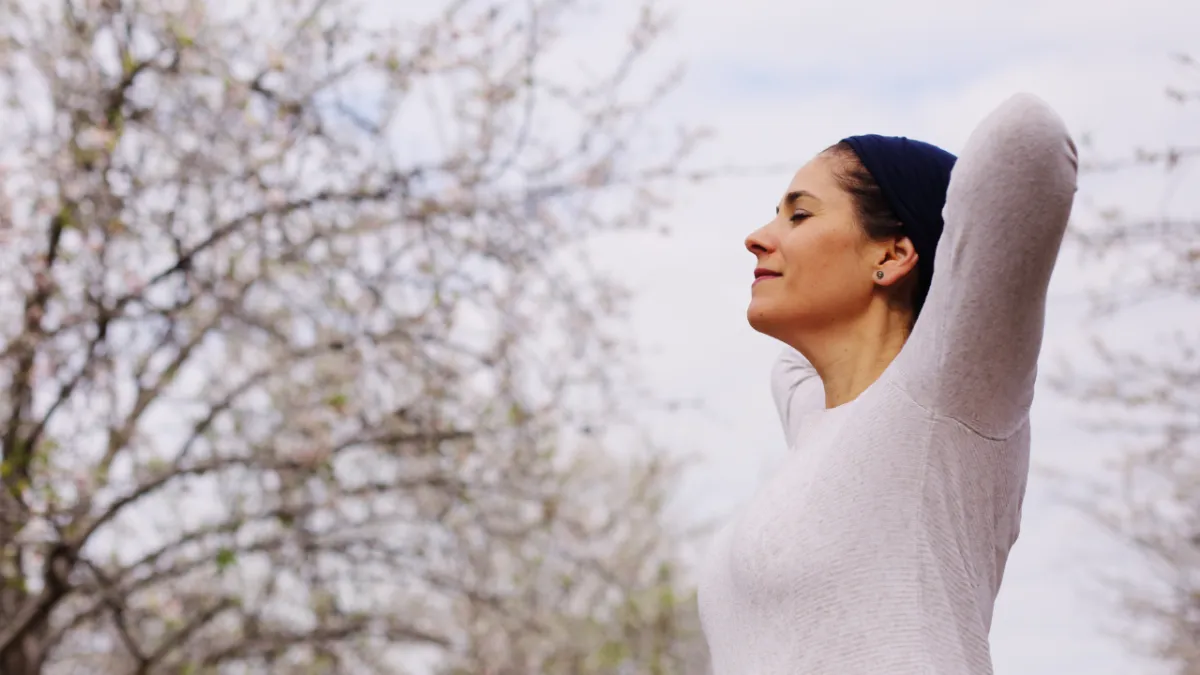
How to kickstart a health & exercise habit when you feel you don't have the time for yourself.
When Exercise Feels Like the Last Thing You Have Time For — Why It’s Often the Most Important Habit You Can Build.
For many men and women in their 40s and beyond who come through the doors of Sphere Wellness Studio, movement doesn’t start as a desire — it begins as a conflict. You want to feel better, more energised, more present with your family, and less mentally exhausted, yet the very idea of exercise feels like a luxury you can’t afford. You’re juggling demanding workdays, family responsibilities, school runs, kids’ activities, household logistics, social expectations, and the ever-present mental load that leaves you feeling like there’s no moment left just for you. It’s not that you don’t care about your health — it’s that you don’t see how health fits into real life right now.
This tension between wanting to be well and feeling like you literally don’t have the time or energy isn’t just an emotional experience — it’s a biological and behavioural reality. And here’s where the good news starts: you don’t need to exercise like an athlete to start experiencing major mental and physical benefits.
Why Movement Matters Far Beyond Calories or Weight
The evidence linking physical activity to mental health is robust and compelling. Research consistently shows that regular movement improves mood, reduces stress, and lowers symptoms associated with depression and anxiety among older adults and adults in general. Physical activity helps elevate neurotransmitters such as endorphins, serotonin, and dopamine, which are chemicals in the brain that regulate mood, improve emotional well-being, and reduce stress responses. Regular exercise has even been shown to be as effective as medication in reducing mild to moderate depressive symptoms in certain populations, particularly when performed consistently at moderate levels.

Beyond mental health, physical activity plays a critical role in overall quality of life. Exercise contributes to maintaining strength, balance, mobility, and cognitive function in middle age and beyond, and is linked with lower risk of chronic disease, improved sleep quality, and better overall functional capacity. It’s not just about “feeling good for a moment”, movement builds resilience against the long-term decline of body and mind.

Equally important is what inactivity does. Sedentary behaviour, sitting for long hours without breaks, minimal daily movement, and extended periods without intentional activity, has been linked with increased risks of anxiety, depression, tension, and poorer mental health outcomes overall. This means that the very lifestyles many of us have grown accustomed to over decades of work and family commitments may be undermining mental well-being without us realising it.
Why Exercise Feels Impossible and How That Actually Makes Sense
You might think, “I’m too tired to exercise” before the day starts or “I’ll fit it in later” after the kids are in bed — only to find the day evaporates before you get there. This happens because traditional ideas of exercise often assume people have time to add something new to their lives. What research on habit formation shows is that sustainable behaviours aren’t found, they’re designed around a person’s existing context.
For people juggling multiple roles and responsibilities, the language of “discipline” and “motivation” is unhelpful. Discipline and motivation are limited resources, especially when your energy is already spent on deadlines, family, groceries, bills, appointments, school events, and life’s everyday pressures. What research suggests is that the habits that stick are those that are planned, repeatable, and emotionally rewarding, not those based on willpower alone.
That means reframing movement from a chore to a reward or a kickstarter — something that enriches your day rather than takes from it — is not just psychologically smart, it’s backed by behavioural science.
How Even Small Doses of Movement Support Mental Health
You don’t have to suddenly become a gym rat. Research indicates that even relatively modest amounts of activity, such as brisk walking for about 20–30 minutes most days, are associated with significantly lower risk of depression and depressive symptoms in adults, including older populations. In one large cohort study, older adults who engaged in moderate physical activity equivalent to about 100 minutes per week had notably lower odds of major depression compared to those who did no activity at all. JAMA Network
Other studies confirm that home-based activity programmes and regular moderate exercise significantly improve depression and anxiety symptoms in adults over 65, highlighting that movement doesn’t need to be intense or lengthy to matter. SpringerLink
In practical terms, this means that starting with small, achievable activity goals is evidence-based and impactful. The brains of adults in midlife and beyond respond strongly even to moderate, consistent movement, especially when paired with positive experiences like social interaction, purposeful activity, or simple stress relief.

Three Simple Habit-Based Ways to Start Moving — Not Because You Should, But Because It Helps You Feel Better
When the idea of exercise feels like “one more thing you have to do,” it’s time to shift the frame. Start with movement that fits your life and supports your wellbeing first.
1. Anchor Movement in Your Existing Routine
Don’t wait to “find time.” Instead, attach short bouts of activity to something you already do every day. For example:
A 10–15 minute walk after breakfast or morning coffee
A few gentle strength movements before your workday begins
A short walk with the dog or kids after school drop-off
These small anchors make movement automatic — part of your day — rather than something you hope you get to later.
2. Prioritise Movement That Rewards You Immediately
Choose activities that make you feel something positive that day, reduce stress, clear thinking and a lifted mood. This isn’t about intensity; it’s about reward. Walking, gentle strength training, group-based movement, or light mobility work often provides immediate mental clarity while also building long-term resilience.
3. Keep It Short, Simple, and Consistent
Regularity is far more important than intensity, especially at the start. Even 100–150 minutes per week of moderate movement, approximately 20–30 minutes daily, has been shown to reduce depressive symptom risk and improve mental well-being. JAMA Network The goal isn’t perfection; it’s directional progress.
From “I Can’t” to “I Can Feel Better”
Ultimately, what transforms exercise from a task into a sustainable habit isn’t willpower or guilt; it’s experience. When movement starts to make you feel clearer, calmer, stronger, less stressed, and more connected, both physically and socially, it stops feeling like a chore and starts feeling like part of living well. For busy men and women over 40, this shift isn’t just valuable, it’s a lifeline.
At Sphere Wellness Studio, we support people exactly where they are — not where they think they should be. We help you build movement into your life gently, purposefully, and sustainably.
References
Mahindru A, et al. Role of Physical Activity on Mental Health and Well-Being, 2023. PMC
Schuch FB, et al. Exercise for depression in older adults, 2016. PMC
Zhang Y, et al. Relationship between physical activities and mental health in older adults, 2024. PMC
White RL, et al. Physical activity and mental health: systematic review, 2024. SpringerLink
Laird E, et al. Physical Activity Dose and Depression, 2023. JAMA Network
Mayo Clinic. Depression and exercise, BetterHealth sources. Mayo Clinic
WHO. Physical activity fact sheet, 2024. World Health Organization
Liu R, et al. Physical activity and health behaviour link, 2024.
Still Not Sure If Sphere WEllness Is Right For You?
Frequently Asked Questions
Here are some FAQ's we hear a lot from new members.
What makes Sphere Wellness Studio different to other Gyms?
Sphere Wellness Studio primarily works with busy professionals and working parents that struggle to find time for themselves. To get fit and feel great isn't necessarily about doing more. We aim to help you find balance and consistency, while getting the results you deserve! We offer 1on1 Personal Training or Semi-Private (small group x4 people) Personal Training Sessions.
Can I try Sphere Wellness Studio before committing?
Yes! Sphere Wellness offers a Free Trial Session so you can experience what we have to offer and how it supports your goals.
What Is Semi-Private Personal Training and how does it work?
At Sphere Wellness, Semi-Private Personal Training sessions combine personalisation of 1:1 coaching with the motivation and energy of a small group, with a coach guiding you every step of the way.
With a maximum of 4 people per session, come in and trial our safe, motivational, results-driven sessions for yourself.
How long do the Semi-Private Personal Training Sessions go for?
Sphere Wellness Studio's Semi-Private Personal training and 1 on 1 Personal Training sessions run for 45 minutes - efficient, effective and designed to fit your schedule with our highly experienced fitness professionals.
What time do Semi-Private Personal Training Sessions run?
Sphere is open and starts running sessions from
Monday to Thursday - 6:15 am to 7 pm
Friday - 6:15 am to 6 pm
Saturday - 8 am to 11 am
If I want 1 on 1 Personal Training, is that OK?
Yes absolutely! We also cater for anyone who would rather the extra care and have 1 on 1 sessions with our experienced team.
What is included in a Sphere Wellness Studio membership
Sphere Wellness Studio offers 2 different types of membership.
Semi-Private and Personal Training Memberships.
This includes either your Semi-Private sessions or Personal Training sessions.
These memberships also include Sphere Recovery access (Sauna and Ice Bath Sessions)
Memberships also include access to our training app and access to Sphere's Evolt composition body scans.
Is there a commitment period when signing up at Sphere Wellness Studio?
Yes — we’re a results-based studio, which means we’re not going to promise you ripped abs in 4 weeks. That’s not real life.
We ask for a minimum of 12 weeks because that’s where genuine, lasting change happens.
And don’t worry — if you’ve got holidays or work stuff popping up, you can pause when needed.
Opening Hours
Monday - Thursday 6:15 am to 7 pm
Friday 6:15 am to 6 pm
Saturday 7:30 am to 11 am
Sunday Closed
Copyright 2026 . All rights reserved
Location
Sphere Wellness Studio
79 Errol Street, North Melbourne
Website
www.spherewellness.com.au
Copyright 2026 . All rights reserved
Opening Hours
Monday - Thursday 6:15am to 7 pm
Friday 6:15 am to 6 pm
Saturday 7:30 am to 11am
Sunday - Closed